




More than a polymer: a new way of understanding textile performance
In the technical textile industry, there are materials that go unnoticed and others that completely redefine what is possible. TPU MATERIAL belongs to this second category. Not only does it respond to current market demands, but it opens the door to new ways of designing, producing and using textiles in increasingly demanding environments.
Its value is not only in its properties, but in its ability to integrate frictionlessly into multiple applications. Flexible, resistant and versatile, this material has become a key solution for those looking for performance without sacrificing design.
What is TPU MATERIAL and why is it gaining prominence?
TPU MATERIAL (thermoplastic polyurethane) is an advanced polymer that combines characteristics of plastic and rubber. This duality allows it to offer remarkable elasticity along with high mechanical strength, something difficult to find in other materials.
In the textile context, its growth responds to a clear need: materials that withstand intensive use, adapt to different production processes and maintain their performance over time.
More than a trend, TPU is consolidating itself as a technical basis for the development of more efficient and durable textiles.
TPU MATERIAL in technical textiles: adaptation without limits
One of the great contributions of TPU MATERIAL is its ability to adapt to different textile structures without altering its functionality. It can be integrated as a coating, film or structural component, adding value without compromising the flexibility of the whole.
TPU MATERIAL in flexible and resistant solutions
This material allows the development of textiles that accompany movement without losing stability. In applications where the fabric is under constant tension, TPU acts as a reinforcement, maintaining the shape and preventing deformation.
TPU MATERIAL as a protective layer
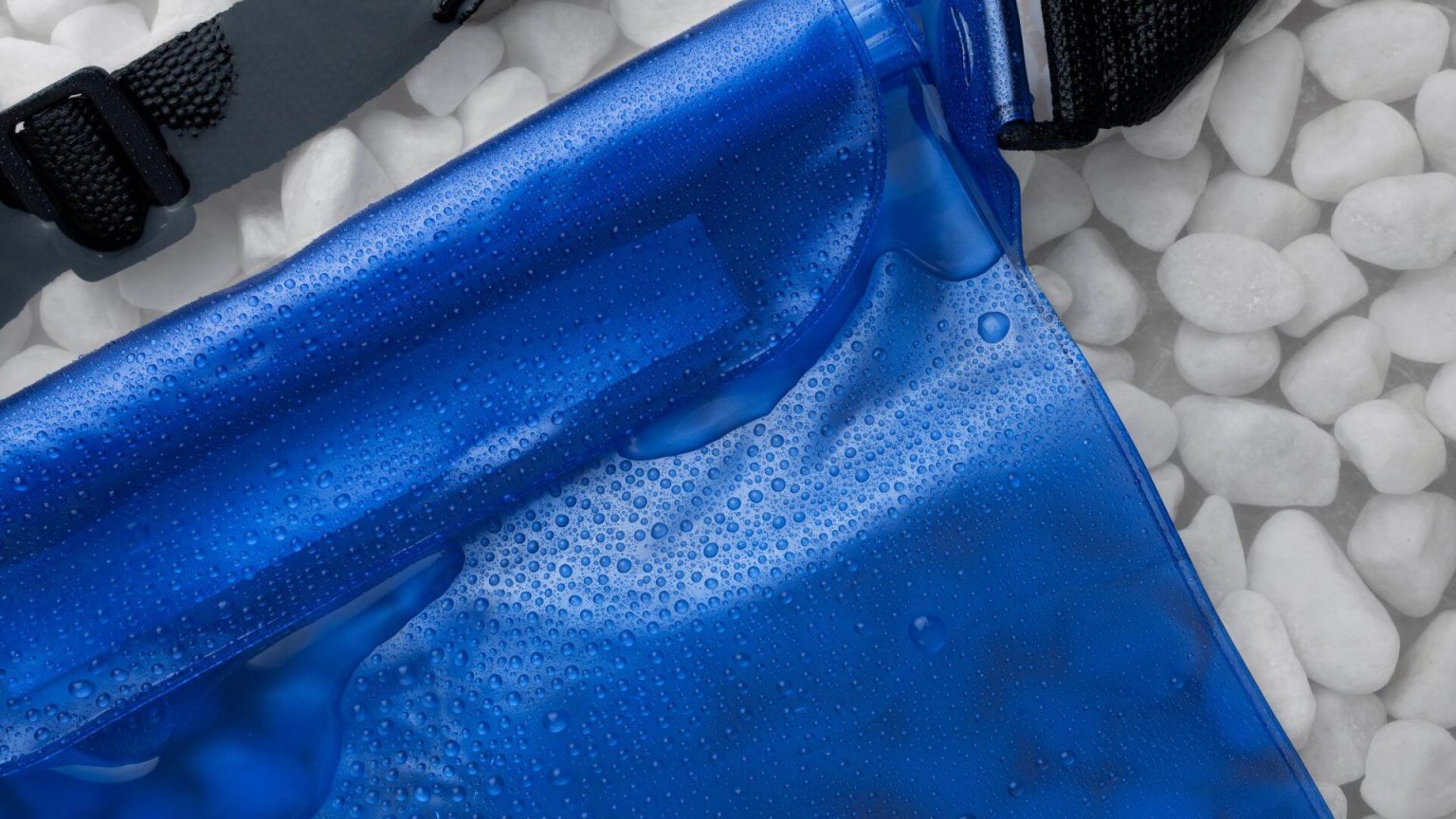
When protection from moisture, dirt or external agents is required, TPU functions as an effective barrier. It does this without adding excessive weight or rigidity, which is key in applications where lightness is essential.
Properties that make a difference
The impact of TPU on the technical textile industry is explained by a set of properties that respond to real needs:
- Controlled elasticity, which allows the material to adapt without losing its original shape after continuous use.
- High abrasion resistance, ideal for textiles subjected to constant friction or demanding conditions.
- Efficient waterproofing, acting as a barrier against liquids without compromising the flexibility of the base material.
- Extended durability, reducing premature wear and the need for frequent replacement.
These characteristics make TPU MATERIAL a reliable choice on projects where performance is non-negotiable.
Applications of TPU MATERIAL in different industries
The scope of this material goes far beyond a single sector. Its versatility allows it to be integrated into multiple industries where technical textiles play a fundamental role.
TPU MATERIAL in automotive and transportation
In vehicle interiors, technical components and protection solutions, TPU provides wear resistance, stability and ease of maintenance.
TPU MATERIAL in technical and sports equipment
In products where movement and resistance are key, this material allows you to create lightweight, durable and functional solutions.
TPU MATERIAL in textile architecture
Used in lightweight structures and flexible solutions, TPU helps create strong surfaces that maintain their integrity in the face of varying environmental conditions.

Innovation and evolution of TPU in the textile sector
The evolution of TPU MATERIAL does not stop. New formulations are being developed every time that improve their behavior, optimize their processing and expand their applications.
In this context, at Expafol we have been working with technical materials for more than three decades, developing solutions that integrate innovation, resistance and functionality to meet the demands of different industries.
The focus is not only on the material, but on how it adapts to the real needs of the market.
Future-proof material
The technical textile industry is moving towards more efficient, durable and versatile solutions. On this path, TPU is positioned as a material capable of accompanying this evolution without being left behind.
Its adaptability, consistent performance, and compatibility with different processes make it a key tool for designers, engineers, and manufacturers.
Conclusion
TPU MATERIAL is not only changing the technical textile industry, it is redefining what is expected of a material in terms of performance, durability and versatility. Its presence will continue to grow as industries demand smarter solutions adapted to demanding environments.
If you want to continue exploring materials, trends and innovation in the textile industry, follow us on LinkedIn and keep up to date with our content.