


When design demands more than appearance
There are materials that comply. And there are others that raise the standard. Eco-friendly leatherette belongs to this second category.
For years, interior design, automotive and textile architecture have sought that exact point where the visual does not compromise functionality. A material that looks good, but also resists, accompanies use and maintains its essence over time. That’s where technical leatherette comes into play.
It’s not just an alternative to traditional leather. It’s an evolution designed to meet today’s needs: durability, versatility and an aesthetic that remains intact even in demanding environments.
Eco-leather: more than an alternative, a smart choice
To talk about eco-friendly leatherette is to talk about balance. This material has been developed to offer an efficient solution without sacrificing design or performance.
Its main value is in its ability to adapt to multiple applications, maintaining a neat appearance and a resistant structure. Unlike other materials, it does not require special conditions to be preserved, which facilitates its use in projects where maintenance is key.
In addition, its evolution has improved both its touch and its behaviour in the face of intensive use, achieving an experience closer to natural materials, but with clear technical advantages.
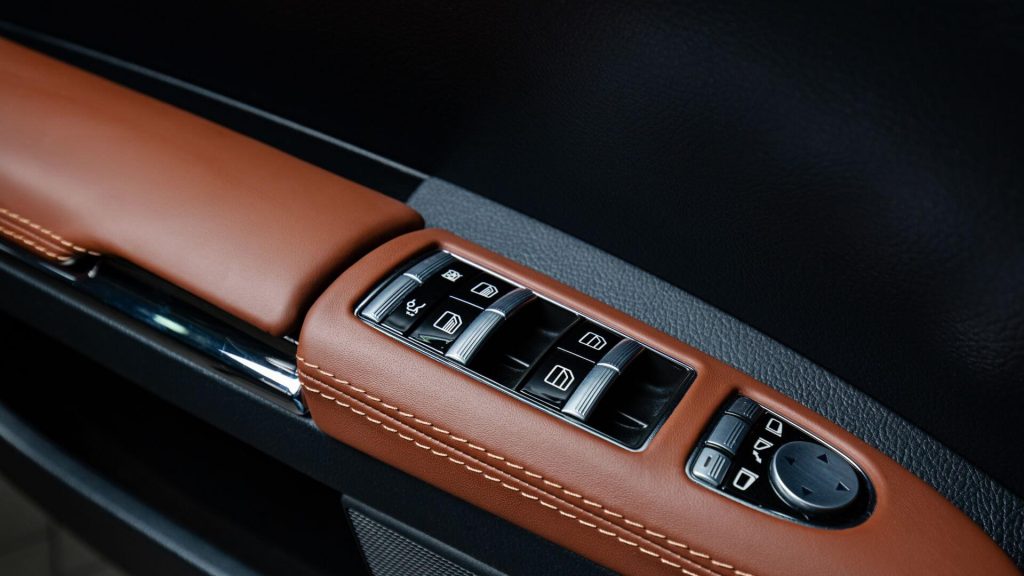
Designed to withstand without losing its essence
In spaces where use is constant, the materials must respond without margin for error. Ecological leatherette stands out precisely for its ability to remain stable in the face of conditions that tend to deteriorate other finishes.
Resistance to daily use
This material is prepared to withstand friction, pressure and continuous handling without cracking or losing its shape. Its structure allows it to retain its appearance even after long periods of use.
Ease of cleaning and maintenance
One of its great differentials is its practicality. Ecological leatherette allows easy cleaning, which is essential in sectors such as hospitality, health or transport, where time and hygiene are key factors.
Comfort that is perceived from the first contact
Beyond its resistance, this material has also evolved in terms of comfort. The user experience is a fundamental part of the design, and the ecological leatherette responds with surfaces that are pleasant to the touch and adaptable to different uses.
Adaptability and ergonomics
Thanks to its flexibility, it adapts to different shapes and structures without creating rigidity. This allows it to be used on seats, panels and surfaces where comfort is essential.
Balanced wind chill
Unlike other synthetic materials, its technical development improves the thermal sensation, avoiding discomfort in prolonged contact.
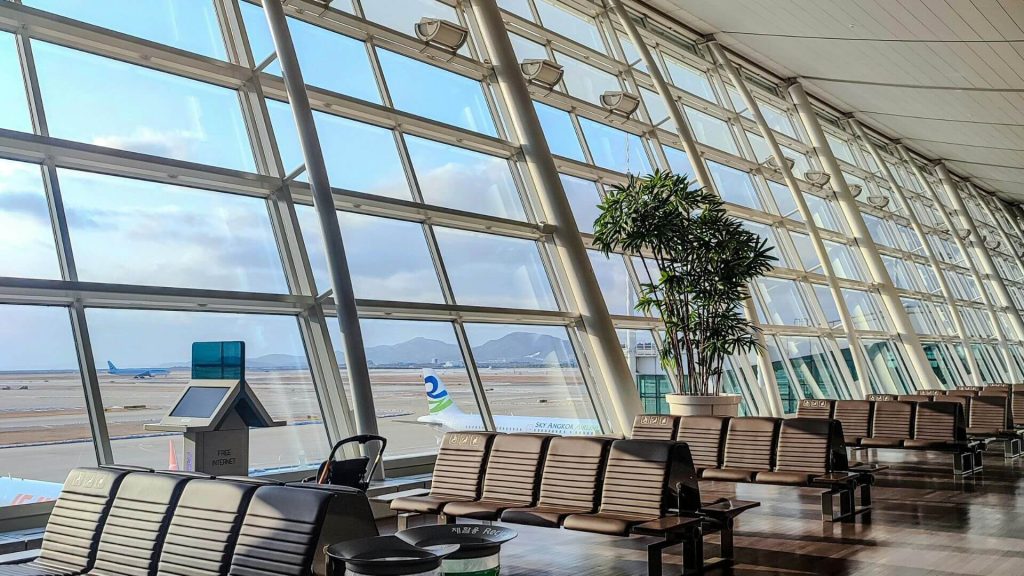
Applications where eco-leather makes the difference
The versatility of this material allows it to be integrated into multiple sectors, always providing value from the technical and aesthetic aspects.
- Contract upholstery, where resistance and image must coexist without compromise.
- Automotive, with interiors that require durability, comfort and easy maintenance.
- Interior architecture, in projects where the finishes must be functional and visually coherent.
- Healthcare sector, where hygiene and resistance are essential.
In each of these environments, the ecological leatherette adapts without losing performance.
An aesthetic that accompanies the passage of time
One of the great challenges in design is to ensure that materials age well. Eco-friendly leatherette has been developed to maintain its colour, texture and finish even in demanding conditions.
Not only does this improve the perception of space, but it also reduces the need for frequent replacements, optimizing the long-term investment.
Beyond the material: an evolution of the sector
The growing presence of ecological leatherette in different sectors is no coincidence. It responds to a transformation in the way materials are understood: more functional, more versatile and aligned with the real needs of use.
In this context, at Expafol we have been working with technical materials for more than three decades, developing solutions that combine design, resistance and adaptability for different industries.
Our focus is on offering materials that not only deliver, but add value from the first use to the passage of time.
Eco-friendly leatherette is not simply an option on the market, it is a response to the new demands of design and functionality. A material that balances aesthetics, comfort and durability in the same place.
At Expafol, we understand that every project requires solutions that work in the real world. That’s why we develop materials designed to accompany use, resist time and maintain their essence.
Follow us on LinkedIn and discover how technical materials are redefining the way we design and build spaces.
When design demands more than appearance
There are materials that comply. And there are others that raise the standard. Eco-friendly leatherette belongs to this second category.
For years, interior design, automotive and textile architecture have sought that exact point where the visual does not compromise functionality. A material that looks good, but also resists, accompanies use and maintains its essence over time. That’s where technical leatherette comes into play.
It’s not just an alternative to traditional leather. It’s an evolution designed to meet today’s needs: durability, versatility and an aesthetic that remains intact even in demanding environments.
Eco-leather: more than an alternative, a smart choice
To talk about eco-friendly leatherette is to talk about balance. This material has been developed to offer an efficient solution without sacrificing design or performance.
Its main value is in its ability to adapt to multiple applications, maintaining a neat appearance and a resistant structure. Unlike other materials, it does not require special conditions to be preserved, which facilitates its use in projects where maintenance is key.
In addition, its evolution has improved both its touch and its behaviour in the face of intensive use, achieving an experience closer to natural materials, but with clear technical advantages.
Designed to withstand without losing its essence
In spaces where use is constant, the materials must respond without margin for error. Ecological leatherette stands out precisely for its ability to remain stable in the face of conditions that tend to deteriorate other finishes.
Resistance to daily use
This material is prepared to withstand friction, pressure and continuous handling without cracking or losing its shape. Its structure allows it to retain its appearance even after long periods of use.
Ease of cleaning and maintenance
One of its great differentials is its practicality. Ecological leatherette allows easy cleaning, which is essential in sectors such as hospitality, health or transport, where time and hygiene are key factors.
Comfort that is perceived from the first contact
Beyond its resistance, this material has also evolved in terms of comfort. The user experience is a fundamental part of the design, and the ecological leatherette responds with surfaces that are pleasant to the touch and adaptable to different uses.
Adaptability and ergonomics
Thanks to its flexibility, it adapts to different shapes and structures without creating rigidity. This allows it to be used on seats, panels and surfaces where comfort is essential.
Balanced wind chill
Unlike other synthetic materials, its technical development improves the thermal sensation, avoiding discomfort in prolonged contact.
Applications where eco-leather makes the difference
The versatility of this material allows it to be integrated into multiple sectors, always providing value from the technical and aesthetic aspects.
- Contract upholstery, where resistance and image must coexist without compromise.
- Automotive, with interiors that require durability, comfort and easy maintenance.
- Interior architecture, in projects where the finishes must be functional and visually coherent.
- Healthcare sector, where hygiene and resistance are essential.
In each of these environments, the ecological leatherette adapts without losing performance.
An aesthetic that accompanies the passage of time
One of the great challenges in design is to ensure that materials age well. Eco-friendly leatherette has been developed to maintain its colour, texture and finish even in demanding conditions.
Not only does this improve the perception of space, but it also reduces the need for frequent replacements, optimizing the long-term investment.
Beyond the material: an evolution of the sector
The growing presence of ecological leatherette in different sectors is no coincidence. It responds to a transformation in the way materials are understood: more functional, more versatile and aligned with the real needs of use.
In this context, at Expafol we have been working with technical materials for more than three decades, developing solutions that combine design, resistance and adaptability for different industries.
Our focus is on offering materials that not only deliver, but add value from the first use to the passage of time.
Eco-friendly leatherette is not simply an option on the market, it is a response to the new demands of design and functionality. A material that balances aesthetics, comfort and durability in the same place.
At Expafol, we understand that every project requires solutions that work in the real world. That’s why we develop materials designed to accompany use, resist time and maintain their essence.
Follow us on LinkedIn and discover how technical materials are redefining the way we design and build spaces.