
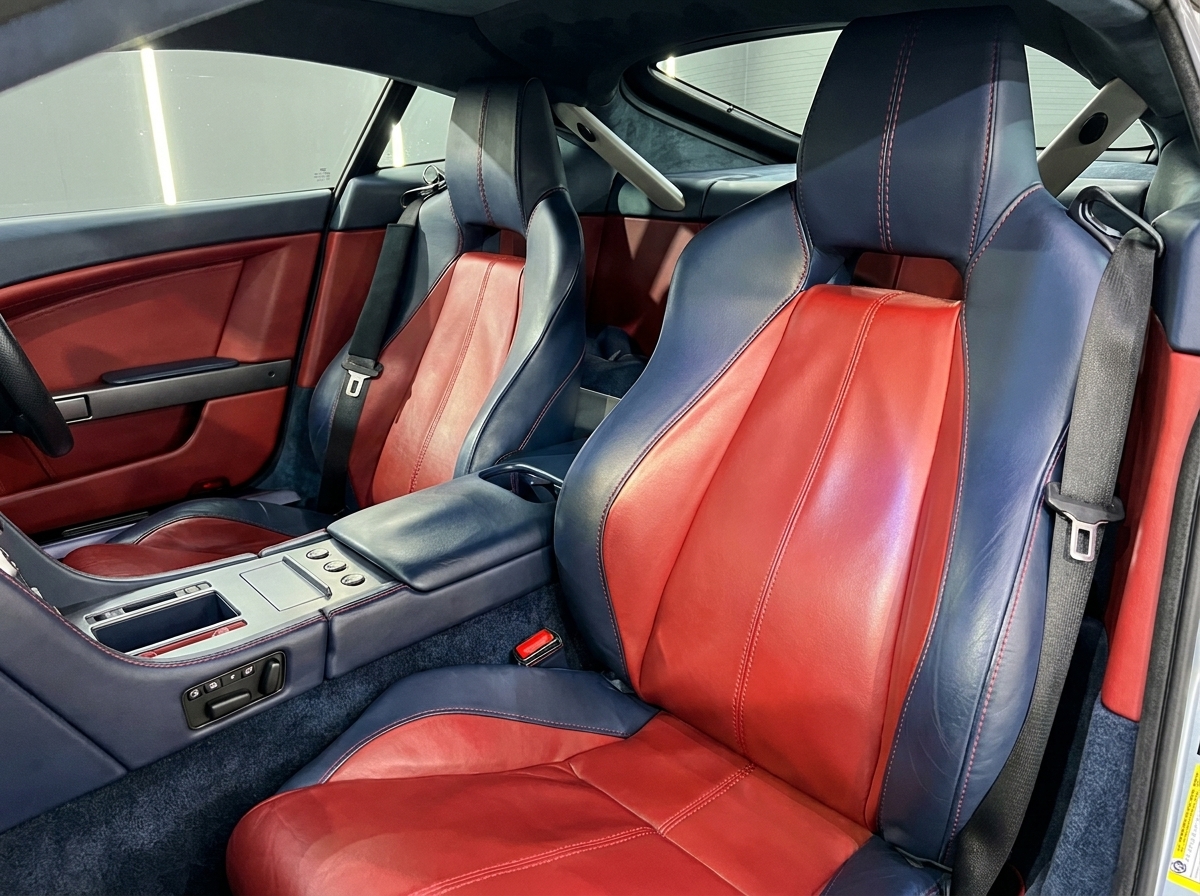
When we think of a car, it’s easy to focus on its exterior design, technology, or performance. However, there’s one part of the vehicle that determines much of the everyday experience: the interior.
The steering wheel, the seats, the panels and every surface we touch are part of a whole where comfort and aesthetics must coexist with particularly demanding conditions of use. Changes in temperature, exposure to light, friction, frequent cleaning and continuous use put each material to the test.
That’s why automotive upholstery has evolved far beyond an aesthetic issue. Today, the materials used in vehicle interiors must offer a balanced combination of appearance, comfort, strength and ease of maintenance.
Automotive upholstery: much more than an aesthetic choice
Upholstery is one of the elements that most influences the perception of a vehicle. A pleasant texture, a neat finish or a well-integrated color can completely transform the experience inside the car.
But behind that appearance there is an important technical demand.
Materials intended for automotive upholstery must be prepared to withstand constant contact with users and maintain their characteristics for long periods. It is not enough for a fabric or coating to be visually appealing; it must also respond correctly to daily wear and tear.
This combination is precisely what has driven the development of new technical materials for the sector.
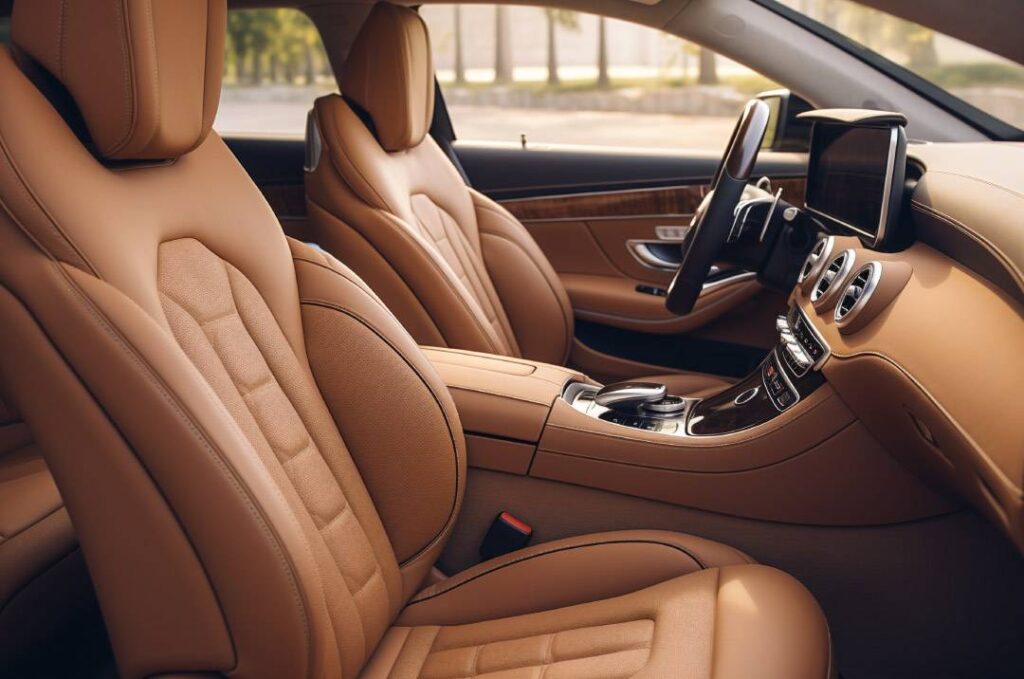
What should an automotive upholstery material offer?
There is no single perfect material for all vehicles or applications. Needs can vary depending on the type of car, interior design and level of use.
Automotive upholstery designed for everyday use
A vehicle can be used for many hours a day. Seats are constantly subjected to pressure and friction, while other interior surfaces receive frequent contact.
The materials must therefore perform well against wear and tear and retain their appearance even after prolonged use.
Automotive upholstery and touch comfort
Strength should not be achieved at the expense of comfort. The user is in direct contact with the materials inside, so texture, flexibility and touch feel are also important factors.
The evolution of technical fabrics allows us to develop surfaces that seek that balance between performance and comfort.
Interior design starts with materials
Customization has become an important part of the automotive sector. Today’s interiors seek to convey different sensations: sophistication, sportiness, minimalism, innovation or even a closer connection with nature.
Automotive upholstery for different styles
Technical fabrics and coverings offer a wide variety of textures, colours and finishes that allow the interior to be adapted to different design concepts.
This opens up possibilities for both manufacturers and professionals specialising in interior customisation and renovation.
The upholstery is no longer simply a functional surface and becomes part of the visual language of the vehicle.
The importance of resistance inside a vehicle
The cabin is exposed to factors that can progressively affect the materials. Solar radiation, temperature variations, humidity and continuous use can cause wear and tear if the materials have not been selected correctly.
In this sense, automotive upholstery requires solutions capable of maintaining its performance in real conditions of use.
Abrasion resistance, color stability, and ease of cleaning are some of the characteristics that can make a significant difference in the life of a coating.
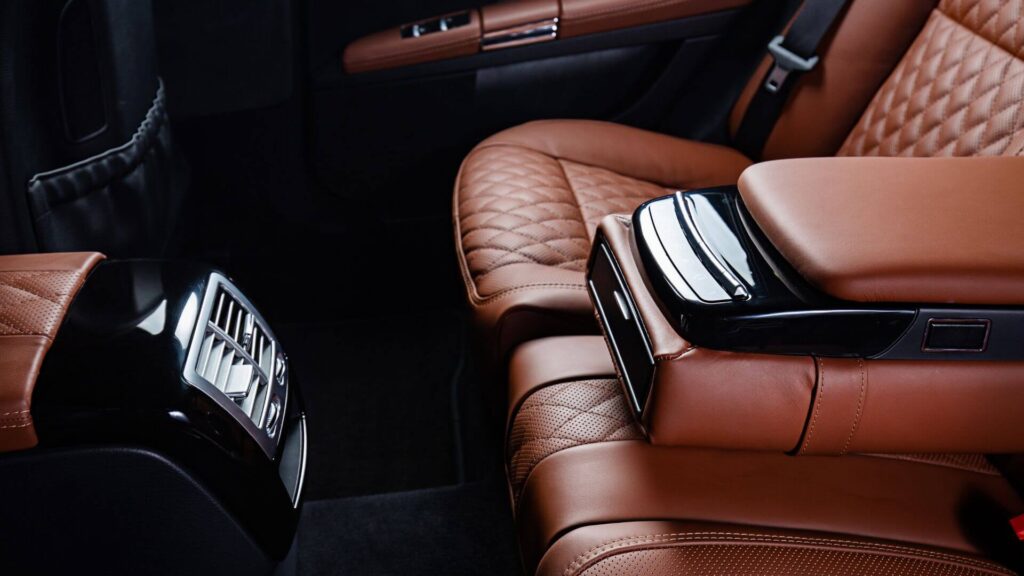
Technical materials for a new generation of interiors
The automotive industry is evolving towards vehicles where interior design is becoming increasingly important. Technology is no longer concentrated only in the engine or electronic systems: it is also present in the materials that are part of the cabin.
Technical fabrics make it possible to respond to this transformation by providing new design and performance possibilities.
In addition, their application is not necessarily limited to private vehicles. They can also be part of solutions for commercial vehicles, specialized transport and other mobile spaces where intensive use demands materials prepared to respond.
When innovation and functionality work together
The development of automotive materials involves finding a balance between different needs. A coating can look great, but if it does not adequately withstand daily use, it will hardly be a complete solution.
For this reason, innovation seeks to integrate different properties in the same material: resistance, comfort, stability, ease of maintenance and aesthetic possibilities.
At Expafol, we work with technical materials for different upholstery and cladding applications, providing solutions designed for professionals looking to combine performance and design.
Our experience allows us to understand that each project has different needs and that the choice of material must respond both to the visual concept and to the actual conditions of use.
From design to contact: every detail matters
A good automotive interior is built from many elements. The overall design may draw attention, but it’s the small details that end up defining the experience.
A pleasant surface, a finish that maintains its appearance, an easy-to-maintain material or an upholstery capable of withstanding the daily rhythm contribute to creating a more functional and comfortable interior.
Automotive upholstery is precisely at that point where design meets user experience. And as vehicles evolve, so do the materials that accompany them.
Today’s automotive upholstery represents much more than a choice of colour or texture. Technical materials make it possible to develop interiors capable of combining comfort, design and resistance, responding to the demands of a sector that continues to evolve.
At Expafol, we continue to work to offer technical materials that accompany the new needs of the industry and allow manufacturers, upholsterers and professionals to develop interiors where functionality and aesthetics find a point of balance.
👉 Follow us on LinkedIn to learn more about technical materials, innovation and trends in different industries. We also invite you to read our previous blogs, where you will find other content on fabrics, upholstery, architecture and technical solutions.
The interior also tells a story
When we think of a car, it’s easy to focus on its exterior design, technology, or performance. However, there’s one part of the vehicle that determines much of the everyday experience: the interior.
The steering wheel, the seats, the panels and every surface we touch are part of a whole where comfort and aesthetics must coexist with particularly demanding conditions of use. Changes in temperature, exposure to light, friction, frequent cleaning and continuous use put each material to the test.
That’s why automotive upholstery has evolved far beyond an aesthetic issue. Today, the materials used in vehicle interiors must offer a balanced combination of appearance, comfort, strength and ease of maintenance.
Automotive upholstery: much more than an aesthetic choice
Upholstery is one of the elements that most influences the perception of a vehicle. A pleasant texture, a neat finish or a well-integrated color can completely transform the experience inside the car.
But behind that appearance there is an important technical demand.
Materials intended for automotive upholstery must be prepared to withstand constant contact with users and maintain their characteristics for long periods. It is not enough for a fabric or coating to be visually appealing; it must also respond correctly to daily wear and tear.
This combination is precisely what has driven the development of new technical materials for the sector.
What should an automotive upholstery material offer?
There is no single perfect material for all vehicles or applications. Needs can vary depending on the type of car, interior design and level of use.
Automotive upholstery designed for everyday use
A vehicle can be used for many hours a day. Seats are constantly subjected to pressure and friction, while other interior surfaces receive frequent contact.
The materials must therefore perform well against wear and tear and retain their appearance even after prolonged use.
Automotive upholstery and touch comfort
Strength should not be achieved at the expense of comfort. The user is in direct contact with the materials inside, so texture, flexibility and touch feel are also important factors.
The evolution of technical fabrics allows us to develop surfaces that seek that balance between performance and comfort.
Interior design starts with materials
Customization has become an important part of the automotive sector. Today’s interiors seek to convey different sensations: sophistication, sportiness, minimalism, innovation or even a closer connection with nature.
Automotive upholstery for different styles
Technical fabrics and coverings offer a wide variety of textures, colours and finishes that allow the interior to be adapted to different design concepts.
This opens up possibilities for both manufacturers and professionals specialising in interior customisation and renovation.
The upholstery is no longer simply a functional surface and becomes part of the visual language of the vehicle.
The importance of resistance inside a vehicle
The cabin is exposed to factors that can progressively affect the materials. Solar radiation, temperature variations, humidity and continuous use can cause wear and tear if the materials have not been selected correctly.
In this sense, automotive upholstery requires solutions capable of maintaining its performance in real conditions of use.
Abrasion resistance, color stability, and ease of cleaning are some of the characteristics that can make a significant difference in the life of a coating.
Technical materials for a new generation of interiors
The automotive industry is evolving towards vehicles where interior design is becoming increasingly important. Technology is no longer concentrated only in the engine or electronic systems: it is also present in the materials that are part of the cabin.
Technical fabrics make it possible to respond to this transformation by providing new design and performance possibilities.
In addition, their application is not necessarily limited to private vehicles. They can also be part of solutions for commercial vehicles, specialized transport and other mobile spaces where intensive use demands materials prepared to respond.
When innovation and functionality work together
The development of automotive materials involves finding a balance between different needs. A coating can look great, but if it does not adequately withstand daily use, it will hardly be a complete solution.
For this reason, innovation seeks to integrate different properties in the same material: resistance, comfort, stability, ease of maintenance and aesthetic possibilities.
At Expafol, we work with technical materials for different upholstery and cladding applications, providing solutions designed for professionals looking to combine performance and design.
Our experience allows us to understand that each project has different needs and that the choice of material must respond both to the visual concept and to the actual conditions of use.
From design to contact: every detail matters
A good automotive interior is built from many elements. The overall design may draw attention, but it’s the small details that end up defining the experience.
A pleasant surface, a finish that maintains its appearance, an easy-to-maintain material or an upholstery capable of withstanding the daily rhythm contribute to creating a more functional and comfortable interior.
Automotive upholstery is precisely at that point where design meets user experience. And as vehicles evolve, so do the materials that accompany them.
Today’s automotive upholstery represents much more than a choice of colour or texture. Technical materials make it possible to develop interiors capable of combining comfort, design and resistance, responding to the demands of a sector that continues to evolve.
At Expafol, we continue to work to offer technical materials that accompany the new needs of the industry and allow manufacturers, upholsterers and professionals to develop interiors where functionality and aesthetics find a point of balance.
Follow us on LinkedIn to learn more about technical materials, innovation and trends in different industries. We also invite you to read our previous blogs, where you will find other content on fabrics, upholstery, architecture and technical solutions.