
It represents an innovative approach to design and construction, where the technical textile not only fulfills aesthetic, but also structural and functional functions.
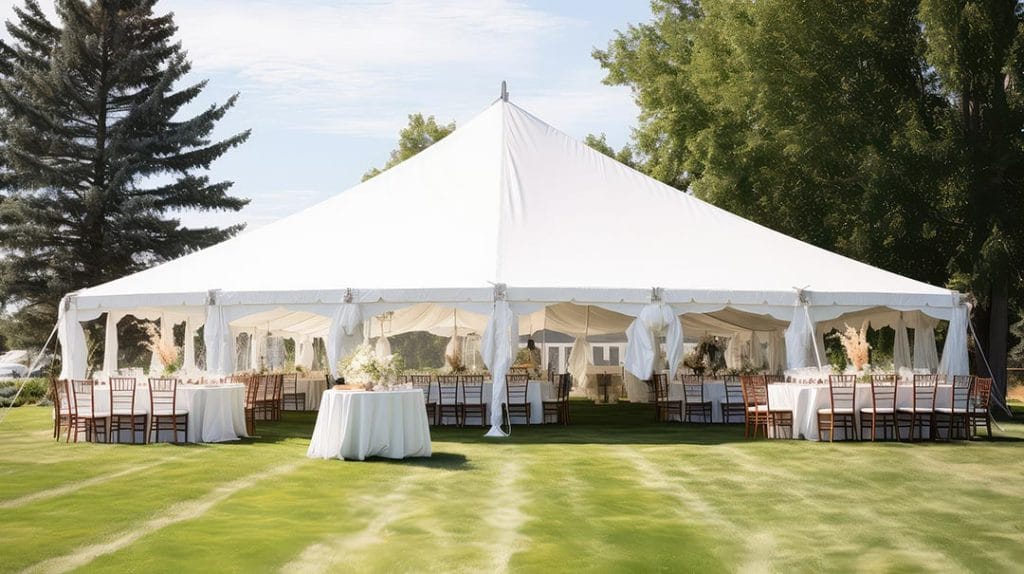
From tents, awnings and mobile canopies to terrace enclosures, textile roofs or structures for events, Expafol ‘s textile architecture allows the creation of functional, comfortable and efficient environments that adapt to different climates, needs and styles.
Below, we explore textile architecture, its applications and why it has become one of the most versatile and intelligent solutions in the modern building industry.
These fabrics are designed to withstand mechanical stress, moisture, prolonged sun exposure, UV rays, extreme temperatures and even fire, making them highly reliable materials for both temporary and permanent use.
In addition, textile architecture allows fluid, light and sustainable designs, facilitating the installation of structures of great visual impact with low structural weight and great durability.
Textile architecture is a branch of construction that uses tensile or laminated technical fabrics as key elements in the creation of architectural structures.
These fabrics, usually made of PVC-coated polyester, polyester with reinforcing mesh or flexible PVC glass, behave as structural membranes that can be adapted to curved, extended or suspended shapes.
The applications of this architecture are becoming increasingly broad, ranging from urban spaces to private facilities, leisure areas and industrial sectors.

Ideal for events, commercial areas, camping areas or fairs, thanks to their portability, UV protection and ease of assembly.

Textile architecture makes it possible to regulate temperature and ambient noise without losing natural light or ventilation. It is integrated into façade and urban design solutions, acting as an aesthetic envelope that contributes to the thermal control of buildings.

It is implemented as a covering for greenhouses, cultivation tunnels or protective screens, offering lightness, strength and durability in demanding environments.

The materials used in textile architecture are designed to meet both functional and aesthetic requirements, with a range of unique properties that position it as a versatile solution:
Technical fabrics for textile architecture are treated to resist degradation caused by sun, rain, wind or hail, maintaining their structural and visual integrity for years.
They comply with international fire resistance standards, which makes them suitable for public and commercial spaces and high-risk areas.
Depending on the type of technical fabric used, it can have a useful life of up to 30 years, with very low maintenance.
Yes, the materials are prepared to withstand snow loads, high wind and extreme temperatures.
Absolutely. It is ideal for ephemeral events as well as for long lasting stable covers.
Maintenance is minimal, generally reduced to periodic cleaning to maintain aesthetics and light transmission.

Textile architecture is much more than a trend; it is an intelligent response to today’s design and construction challenges. Combining advanced textile technology, architectural design and sustainability, it offers accessible, impactful and durable solutions.
At Expafol, we develop technical fabrics for textile architecture that guarantee stability, protection and design in balance. Whether for an urban environment, a mobile structure or an agricultural solution, our membranes, tarpaulins and sheets are ready to give shape to your ideas.