
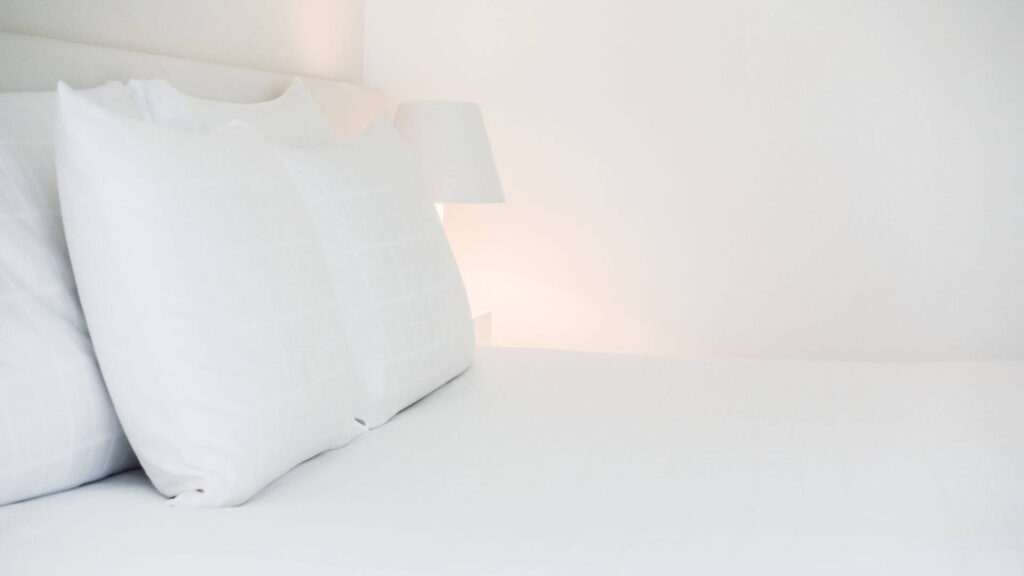
The mattress is one of the most frequently used elements in any rest area. In a home, a hotel, or a healthcare center, it is daily exposed to contact, moisture, friction, and various factors that can affect both its preservation and the hygienic conditions of the environment.
Therefore, a suitable mattress cover fulfills a function that goes far beyond covering a surface. Technical textiles allow for the development of solutions designed to protect the mattress, facilitate its maintenance, and meet the demands of different spaces, from domestic bedrooms to hospital facilities.
Protection begins with the material
The choice of textile has a direct influence on the performance of a cover. Not all materials respond in the same way to continuous use, moisture, or cleaning processes.
In applications where protection and hygiene are priorities, it is important to consider characteristics such as durability, ease of cleaning, waterproof properties, or the material’s performance under frequent use.
Technical textiles allow for the combination of different features to create solutions adapted to every need, without compromising the comfort required in a rest area.

Mattress cover: a functional barrier for daily use
A mattress cover acts as a protective layer between the mattress and the environment. Its function is to help preserve the interior material against various factors derived from daily use.
In the domestic sphere, it can contribute to keeping the mattress in better condition for longer. In spaces with high turnover, such as tourist accommodations or residences, durability and ease of maintenance become even more important.
The choice of a suitable technical material allows this protection to be approached from a functional perspective, considering actual conditions of use.
Mattress cover for domestic spaces
In the home, the mattress is subjected to constant use. Daily contact, temperature changes, moisture, and routine cleaning tasks make it necessary to have solutions that help preserve it.
Mattress cover for practical protection
A cover intended for domestic use must be functional and easy to maintain. The ability to clean the surface easily can help maintain better conditions of use and prolong the lifespan of the mattress.
Furthermore, technical materials can offer different finishes and characteristics that allow the solution to be adapted to different types of beds and needs.
In this context, protecting the mattress does not mean adding an unnecessary element, but rather incorporating a functional layer that facilitates its day-to-day preservation.
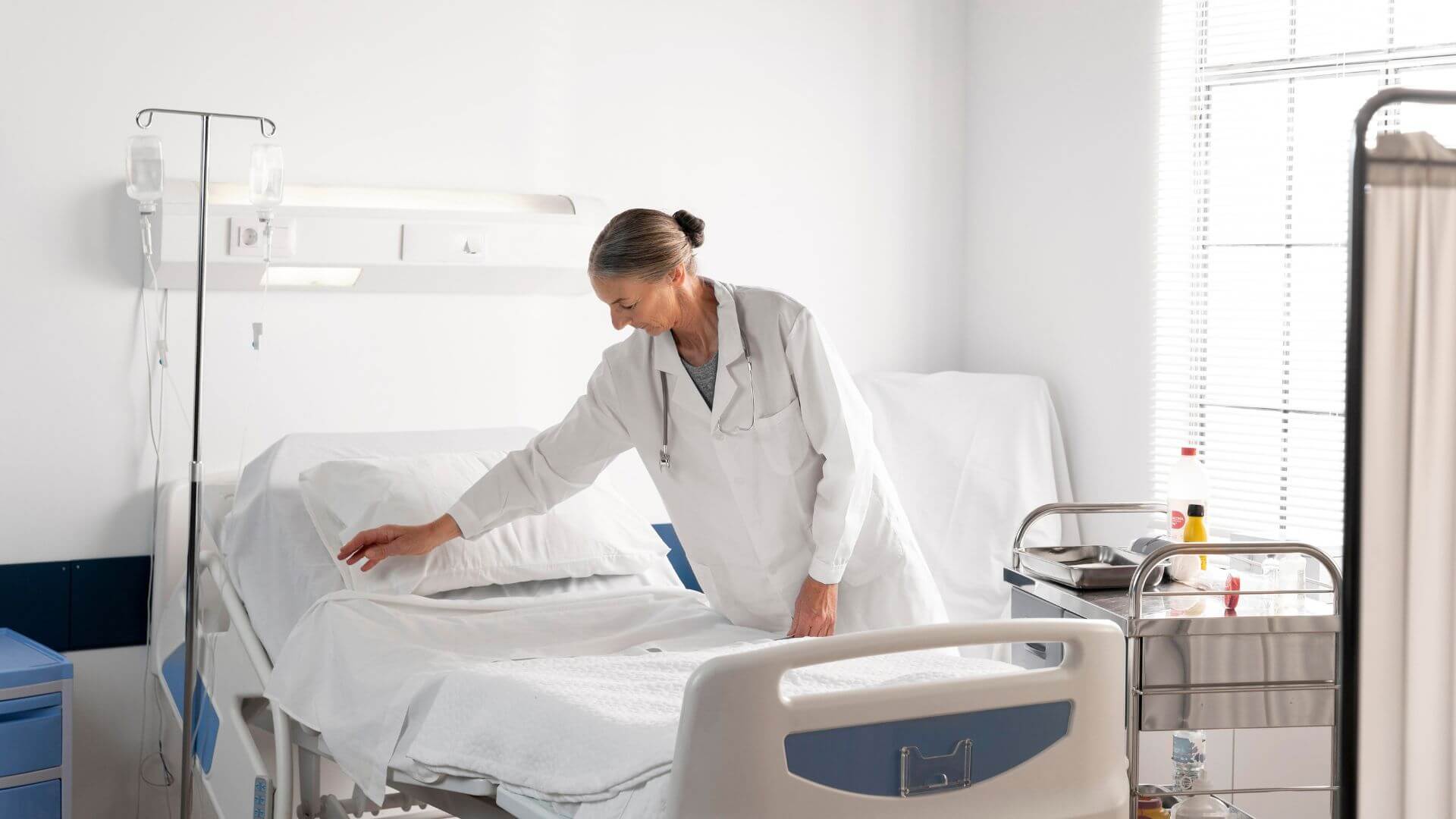
Mattress cover in hospital environments
Needs change when we talk about hospitals, clinics, medical centers, or residences. In these spaces, materials are subjected to more frequent cleaning protocols and particularly demanding conditions of use.
Mattress cover for hospital applications
A mattress cover intended for the healthcare sector must meet criteria for hygiene, durability, and maintenance. The surface may be exposed to moisture, frequent cleaning, and continuous use, so the performance of the material becomes especially relevant.
Technical textiles can contribute to creating solutions that facilitate cleaning and help protect the mattress against the conditions typical of these environments.
Additionally, durability is an important factor. In facilities where beds are used intensively, a resistant solution can help reduce the deterioration caused by use and maintenance operations.
What characteristics should a technical textile for mattresses have?
The choice of material must always be based on the needs of the application. Designing a cover for a home is not the same as developing a solution intended for a hospital center.
Among the characteristics that may be relevant are:
- Resistance to use: necessary when the material is subjected to frequent contact and handling.
- Ease of cleaning: especially important in spaces where regular maintenance processes are required.
- Moisture protection: a relevant property to help preserve the mattress in different conditions.
- Durability: allows the solution to maintain its performance over a prolonged period.
- Adaptability: the material must be able to respond to different formats and manufacturing needs.
- Comfort: protection should not neglect the experience of rest and contact.
The combination of these properties allows for the development of more complete solutions suitable for each environment.
Technical textiles: protection without compromising comfort
When we talk about mattress protection, it is easy to think only of resistance. However, comfort also plays a fundamental role.
A well-designed solution must find a balance between protection and user experience. In the domestic sphere, this is directly related to the sensation of rest. In the healthcare environment, it can also contribute to creating more suitable spaces for patients and professionals.
Therefore, technical textiles represent an opportunity to develop materials that simultaneously respond to functional and comfort needs.
A different solution for each application
The versatility of technical textiles allows for solutions to be proposed for different sectors. Homes, hotels, residences, hospitals, and clinics may share certain needs, but they do not necessarily require exactly the same characteristics.
Frequency of use, cleaning procedures, the level of exposure to moisture, and maintenance conditions are factors that must be analyzed before selecting a material.
At Expafol, we work with technical materials intended for different applications, seeking to respond to the specific needs of each project and sector.
When protecting also means facilitating maintenance
A good protective solution should not only help preserve the mattress. It should also facilitate the tasks that are part of its maintenance.
In spaces where frequent cleaning processes exist, having a suitable surface can simplify certain operations and contribute to more efficient management.
This characteristic takes on special importance in professional environments, where the functionality of materials can directly influence daily work.
The role of technical materials in rest
Rest depends on many elements that usually go unnoticed. The mattress is one of them, but so are the materials that help protect and preserve it.
A mattress cover developed with a suitable technical textile can become an important part of this protection strategy. Its value lies in combining features that respond to real use without losing sight of comfort and functionality.
From the home to hospital environments, the selection of material can make a significant difference in the durability and maintenance of rest surfaces.
A mattress cover is much more than a cover. When developed with suitable technical textiles, it can provide protection, durability, ease of maintenance, and adaptability to different environments.
In domestic use, these solutions help preserve the mattress and facilitate its maintenance. In hospitals, clinics, and other healthcare spaces, the demands for hygiene, cleaning, and intensive use make the choice of material even more relevant.
At Expafol we work with technical materials for different applications, seeking to combine functionality, durability, and the characteristics required by each project.
Follow us on LinkedIn to learn more about our solutions and applications, and check our previous blogs to continue exploring the possibilities of technical textiles.