
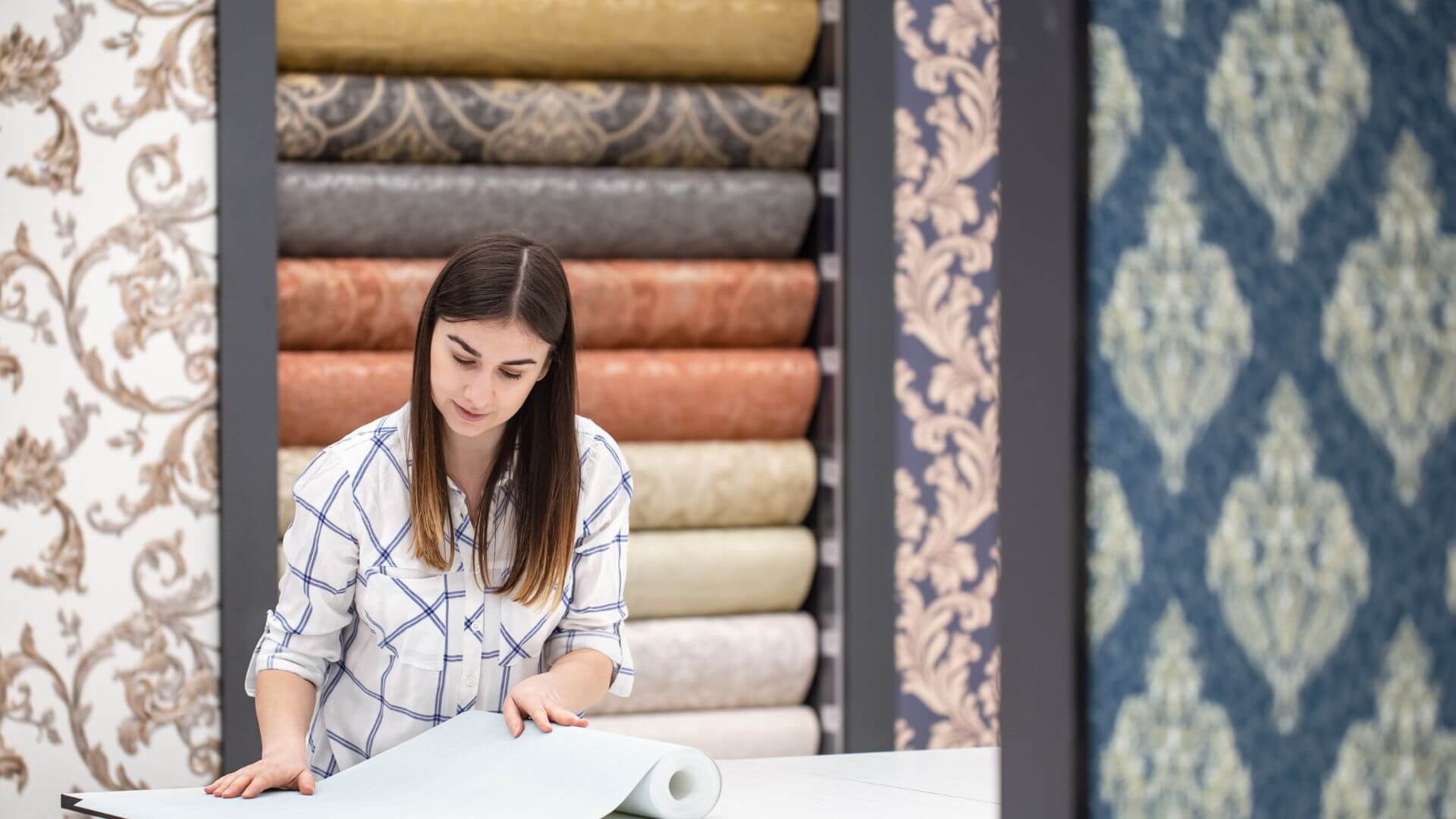
Textile architecture: design with light and shadow in modern architecture
When a space is built more with sensations than with walls
There are projects that are remembered for their size. Others, because of their location. But some remain in the memory because of how they make us feel when we walk through them. The light that passes through a roof, the shadow that changes throughout the day or the feeling of spaciousness that arises without the need for large structures are examples of this.
At that point where technique meets creativity, textile architecture appears, a discipline that has transformed the way of conceiving contemporary spaces. More than a trend, it represents a new way of designing environments capable of dialoguing with light, climate and people’s needs.
Far from being an exclusively aesthetic resource, textile architecture has become a functional solution that combines innovation, efficiency and design freedom.
Textile architecture: a new way of understanding space
For decades, architecture was mainly associated with rigid and permanent materials. However, technological evolution has opened the door to lighter, more flexible and adaptable solutions.
Textile architecture takes advantage of advanced technical materials to create structures capable of covering, protecting and transforming spaces without the need for heavy construction elements. This allows for the development of visually striking and functionally efficient projects.
Its value lies in the fact that it does not seek to compete with traditional architecture, but to complement it, providing new creative and technical possibilities.
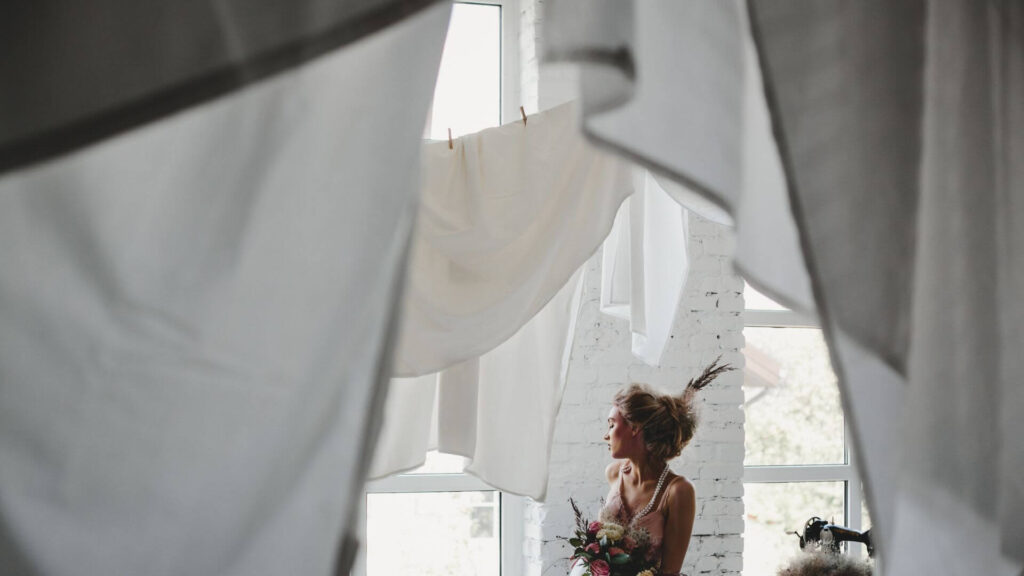
The relationship between light and textile architecture
One of the most fascinating aspects of textile architecture is its ability to work with light as a design element.
Textile architecture to create dynamic environments
Unlike opaque surfaces, technical membranes and fabrics allow light to be filtered in different ways. This generates spaces that change throughout the day, creating richer and more natural visual experiences.
Light ceases to be an external element to become an active part of the project.
Textile architecture and smart solar control
In addition to its aesthetic impact, light management has a practical function. Many textile solutions help to reduce the direct incidence of the sun, improving the comfort of users and contributing to the energy efficiency of the space.
Beyond aesthetics: functionality in every project
Visual appeal is often the first thing that catches the eye, but the true value of textile architecture is in its performance.
Among its main advantages are:
- Structural lightness, which allows large areas to be covered with less load on the construction.
- Design versatility, facilitating organic shapes, curves and solutions that are difficult to achieve with conventional materials.
- Speed of installation, optimising execution times compared to other construction alternatives.
- Adaptability to different environments, from urban spaces to sports facilities or commercial areas.
These characteristics have driven its growth in projects of different scales around the world.
Textile architecture in spaces we live every day
Many times we interact with this type of structure without stopping to think about it.
Textile architecture in public spaces
Squares, pedestrian areas and meeting areas incorporate textile solutions to provide shade and comfort without blocking the visual connection with the environment.
Textile architecture in sports facilities
Textile covers allow large areas to be protected while maintaining a feeling of spaciousness and lightness that favors the user experience.
Textile architecture in commercial projects
Shopping centres, terraces and hospitality spaces use these solutions to create attractive, functional and differentiating environments.
Innovation and sustainability in textile architecture
The search for more efficient constructions has made textile architecture an increasingly relevant alternative.
Its lower consumption of structural materials, together with the possibility of optimizing natural lighting and improving thermal control, position it as a solution aligned with current construction challenges.
In addition, the constant evolution of technical materials expands their possibilities, allowing the development of increasingly resistant, durable and efficient projects.
Designing emotions through materials
The best architecture doesn’t just meet a functional need. It also creates experiences. The shade that protects during a summer afternoon, the light that passes through a roof at dawn or the feeling of spaciousness generated by a light structure are part of the experience of those who use the space.
Textile architecture has the ability to transform these everyday elements into part of design, turning the technique into a tool to generate well-being and connection with the environment.
We have been working with technical materials for more than three decades that drive new possibilities for different industries. That experience allows us to understand how innovation in materials can contribute to more efficient, functional and visually striking projects.
Textile architecture has shown that innovation is not always about building more, but about building differently. Its ability to combine design, functionality and efficiency makes it a key tool for contemporary architecture.
At Expafol, we believe in the potential of technical materials to transform spaces and create new design opportunities. That is why we continue to bet on solutions that allow architects, designers and professionals to develop projects capable of inspiring and lasting.
Follow us on LinkedIn to discover more trends, materials, and solutions that are shaping the future of architecture and the textile industry.