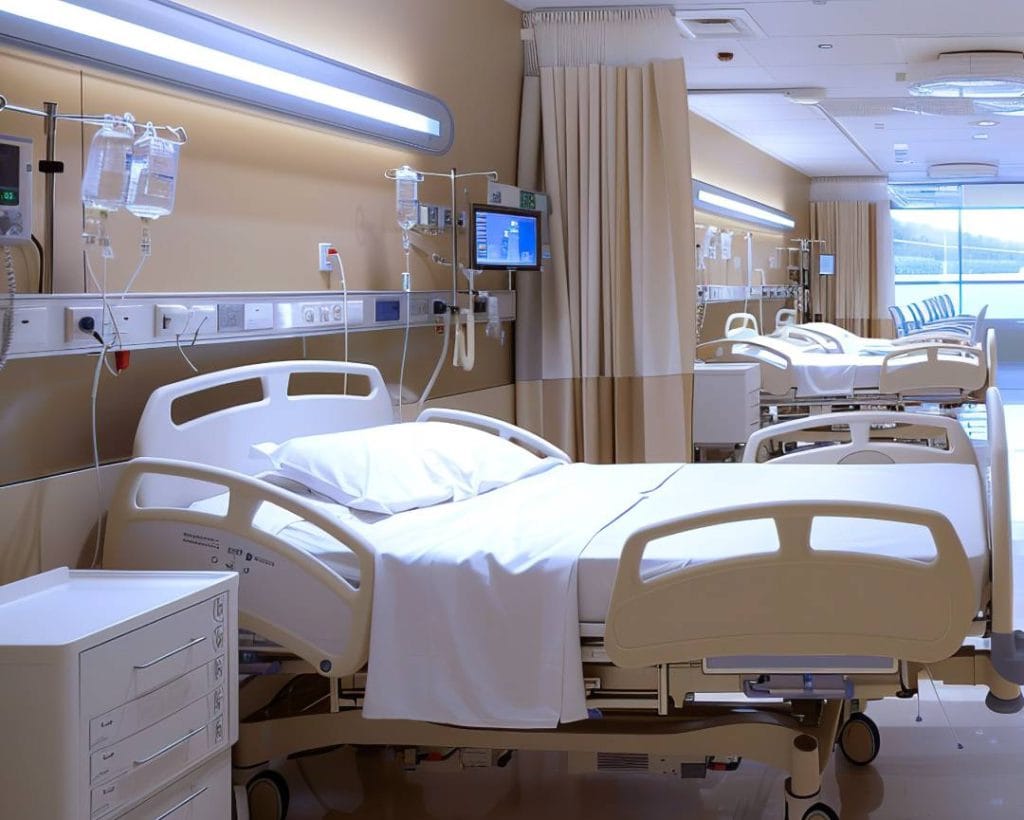
Discover Expafol’s sanitary textiles: waterproof, breathable, flame retardant and antibacterial technical fabrics for hospitals, nursing homes and more.
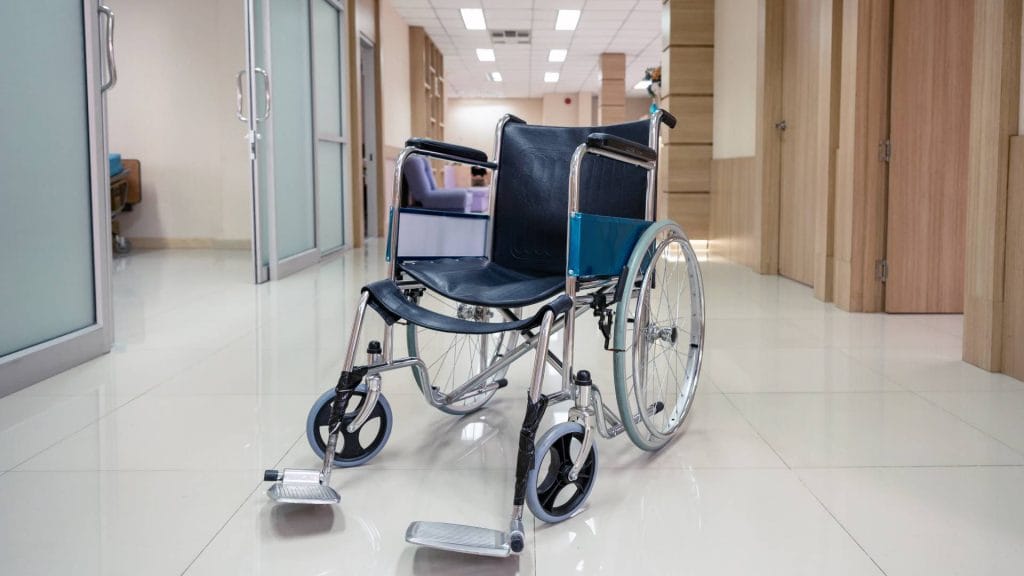
Sanitary textiles are technical materials designed to meet the rigorous demands of the hospital, geriatric, orthopedic and care environment. At the heart of these solutions is textile innovation: waterproof, breathable, flame-retardant fabrics that are resistant to extreme conditions, both chemical and thermal.
Thanks to their combination of resistance, hygiene and comfort, state-of-the-art sanitary textiles have become essential elements in health centres, clinics, residences and spaces where hygiene and durability are essential factors.
Healthcare textiles are technical fabrics specially designed to cover, protect and withstand the challenges of medical and healthcare environments. These textiles are usually composed of synthetic fibers or advanced coatings such as polyurethane or other polymers, which give them superior properties in terms of hygiene, resistance, and durability.
They are characterized by being waterproof, breathable, antibacterial, fireproof and sterilizable. Its main function is to guarantee maximum protection against fluids, bacteria, high temperatures or abrasion without compromising the comfort of the patient or the professional’s operability.
In addition, sanitary textiles are presented in versatile formats: from sheets to bi-elastic fabrics, adapting to mattresses, covers, curtains, orthopaedic accessories or protection barriers.
Sanitary textiles are used in a wide variety of applications both inside and outside the hospital environment. Its main uses include:
From covers to mattress covers, dividing curtains or clinical furniture covers, these textiles meet the highest standards of hygiene, resistance and disinfection.
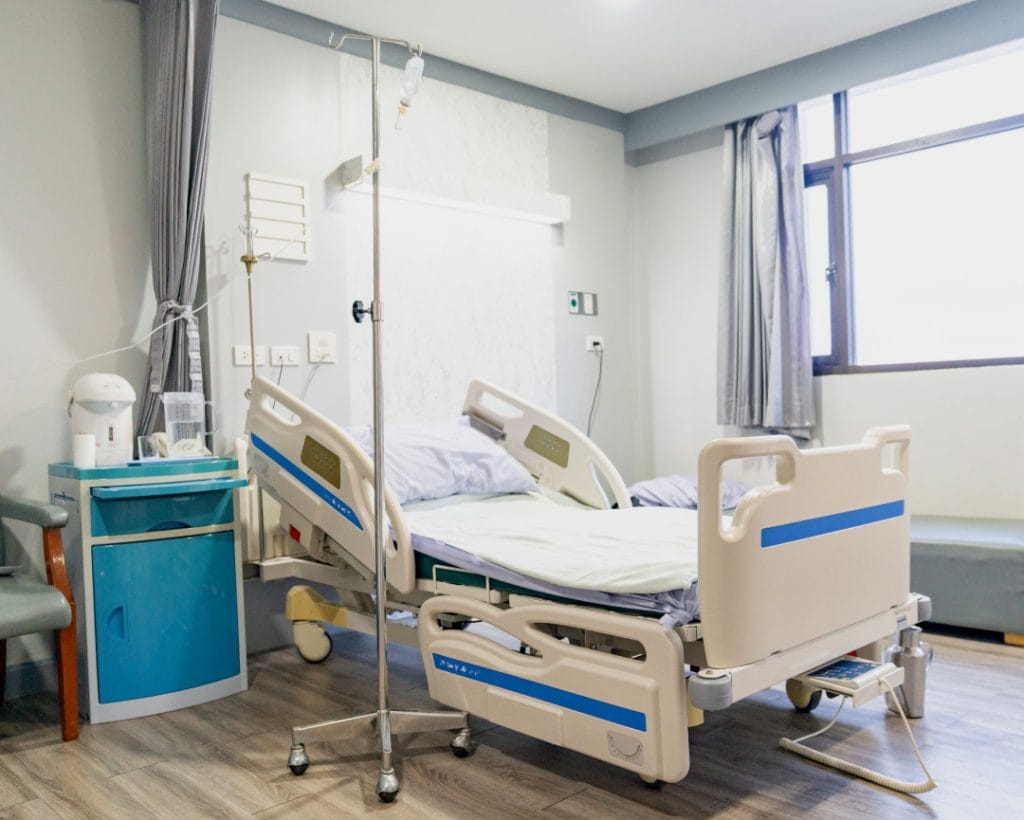
Essential material in wheelchair upholstery, unloading cushions, support systems and technical aids. They offer mechanical strength, stability and ease of cleaning.
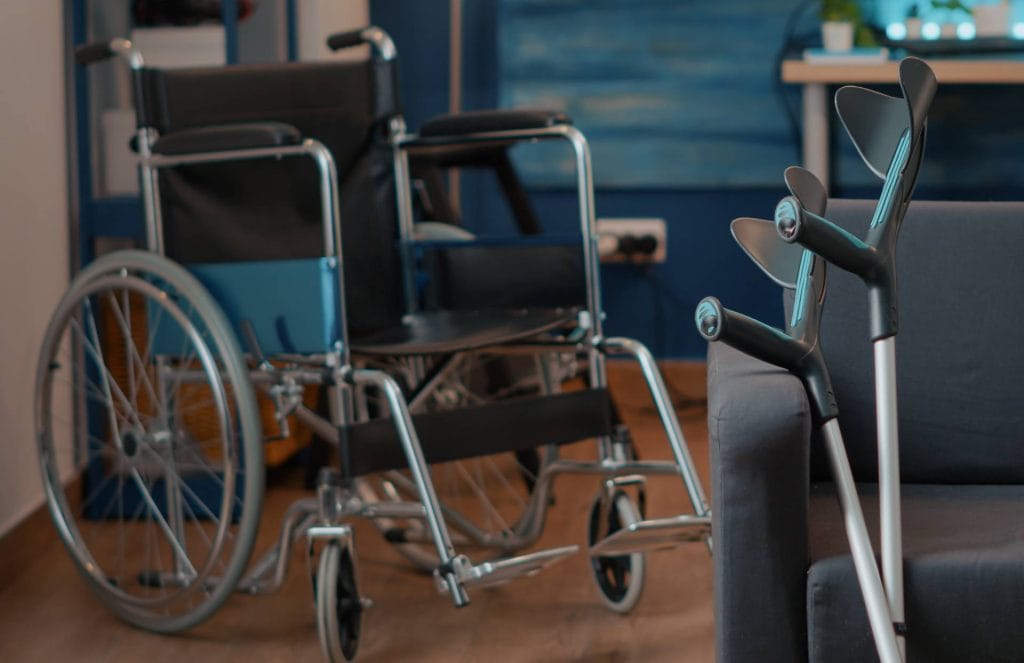
Phthalate-free, soft-touch and highly resistant textiles are used for covers, changing tables, mattress protectors, bibs and children’s accessories.
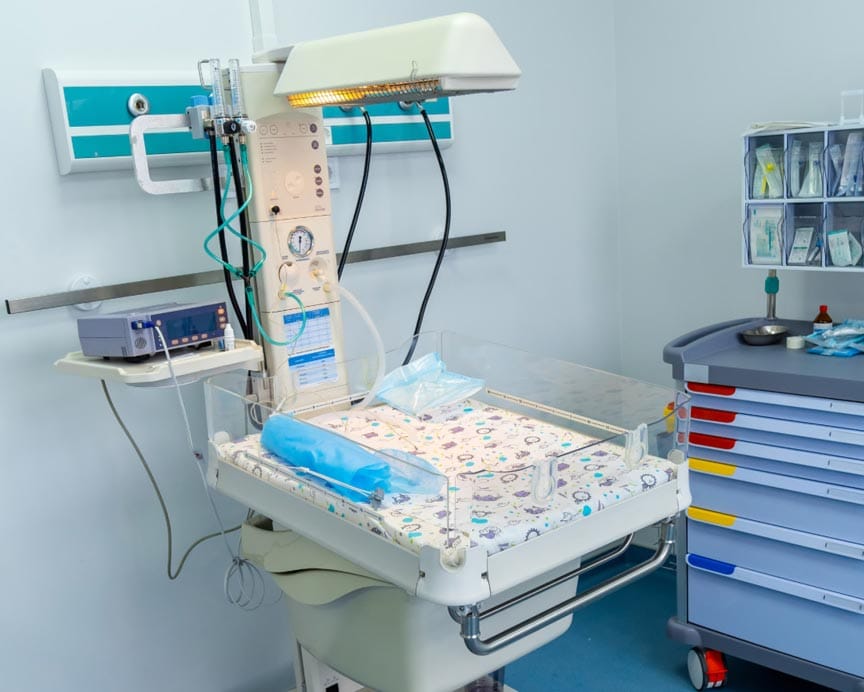
Patient rooms, nursing rooms and private clinics use these fabrics for their resistance to intensive use, their ease of washing and their functional and technical design.
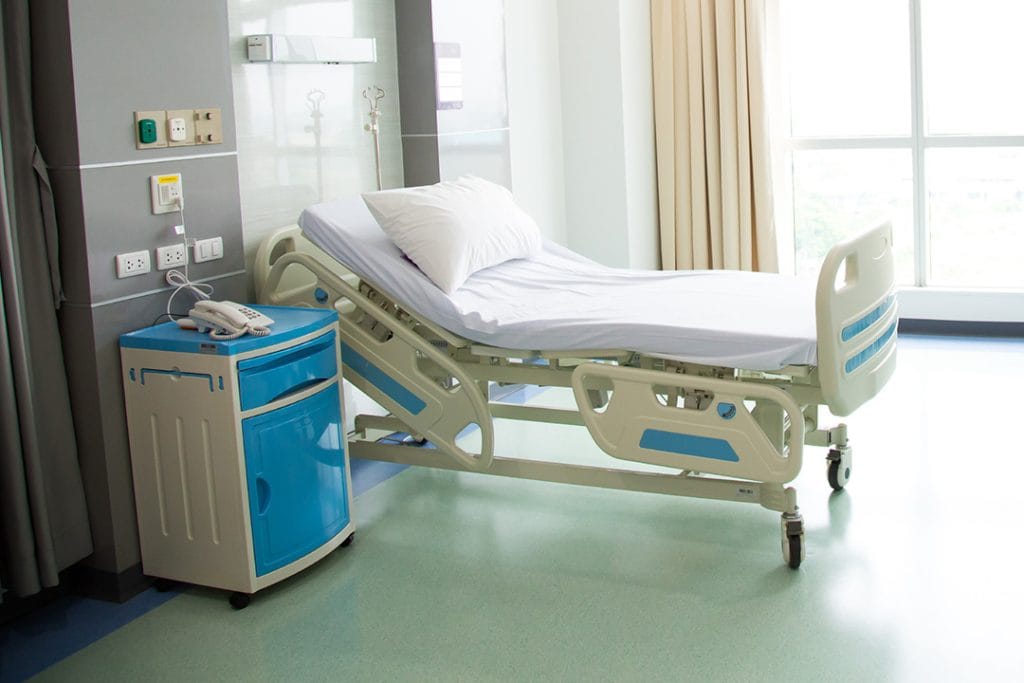
Blackout sanitary fabrics are used in curtains in isolation rooms, screening rooms or areas where light and temperature control is essential.
Medical textiles stand out for a set of characteristics that make them highly competitive and functional in demanding clinical environments:
Thanks to coating technologies such as foamed PU or PVC layers, these textiles prevent the passage of liquids without generating heat build-up, facilitating a comfortable and safe environment for the user.
Sanitary textiles can be washed at temperatures up to 95°C and treated in an autoclave without losing their properties, allowing for prolonged use in clinical environments with strict cleaning protocols.
These fabrics withstand contact with chemical agents, acids, fats, oils, hospital disinfectants and urine without degrading, ensuring their long service life in hospitals and intensive care centers.
Yes, many of them resist industrial washdowns at 95°C and even autoclave sterilization processes without losing functionality.
Absolutely. They are designed to be hypoallergenic, antibacterial and comply with ecological regulations such as REACH.
Yes. Some sanitary textiles are phthalate-free and are ideal for sensitive environments such as daycare centers or pediatric hospitals.
In most cases, yes. Many sanitary textiles combine both properties, making them perfect for high-risk environments.